Innovative Adapters for Seamless Integration of Rotating Electrical Connectors
Understanding Rotating Electrical Connectors
What are Rotating Electrical Connectors?
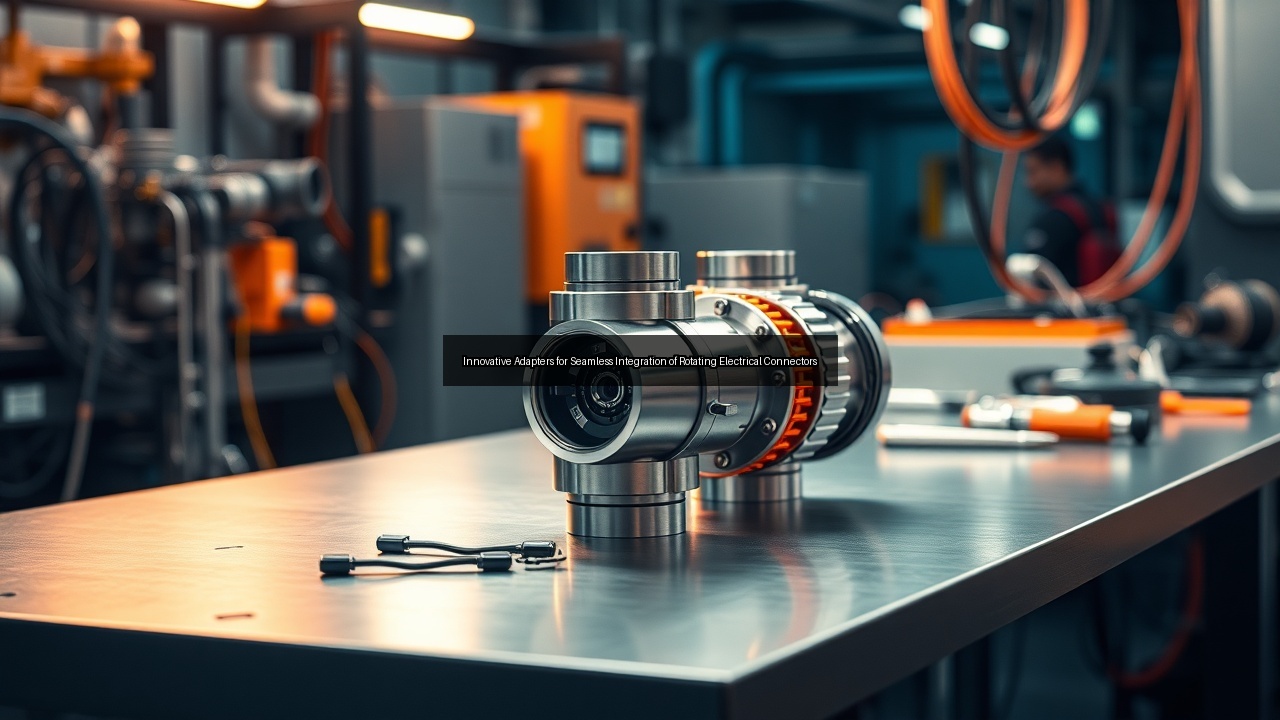
Rotating electrical connectors transmit power and data across rotating interfaces without cable twist or breakage. These devices keep electrical circuits intact during continuous motion in industrial machinery and robotic arms. A rotating electrical connector maintains reliable contact through precision-engineered surfaces that rotate smoothly under load. Operators install them where fixed wiring would fail due to repeated turns. The design supports multiple circuits in a compact housing, allowing seamless integration into existing systems. Manufacturers test each unit for signal integrity at varying speeds to ensure performance under real conditions. This capability prevents downtime in assembly lines and test rigs that demand uninterrupted operation.
Key Components of Rotating Connectors
Rotating connectors rely on brushes, rings, and housing materials that withstand friction and environmental stress. The rotary electrical contact sits at the core, where conductive elements brush against rotating rings to complete circuits. Engineers select gold or silver plating for low resistance and corrosion resistance in demanding environments. Bearings support smooth rotation while seals protect internal wiring from dust and moisture. Adapters often interface with these components to match different shaft sizes or mounting patterns. High-quality insulation separates circuits and prevents shorting during high-speed operation. Each part undergoes rigorous inspection to maintain consistent performance across thousands of revolutions.
Applications of Rotating Electrical Connectors
Wind turbines use rotating electrical connectors to transfer power from spinning blades to stationary generators. Medical imaging equipment depends on them for reliable signal transfer during gantry rotation. Packaging machines integrate these connectors to power sensors on continuously moving conveyors. Military vehicles employ them in turret systems that require 360-degree motion without wiring entanglement. Factory robots mount rotating connectors on joints to control grippers and cameras at high speed. Satellite assemblies incorporate them for solar array deployment where maintenance access remains limited. These applications demonstrate how rotating electrical connectors improve uptime and simplify mechanical layouts across industries.
The Role of Adapters in Connector Integration
Types of Adapters for Electrical Connectors
Adapters convert mounting styles, pin configurations, and shaft diameters to link rotating electrical connectors with standard equipment flanges. Threaded adapters secure connectors in high-vibration environments, while flange adapters align units with existing brackets. Quick-disconnect adapters speed up maintenance by allowing tool-free removal during service intervals. Custom-machined adapters accommodate unique wiring layouts in legacy machinery. Some adapters incorporate strain relief to protect cable entries from repeated flexing. Manufacturers offer both conductive and non-conductive versions depending on whether the adapter must carry current or simply provide mechanical fit. Selection depends on torque requirements, environmental exposure, and desired service life.
Benefits of Using Adapters with Rotating Connectors
Adapters eliminate custom machining and reduce installation time when fitting rotating electrical connectors into new or retrofitted equipment. They standardize interfaces so one connector model serves multiple machine platforms. Proper adapter choice preserves signal quality by maintaining correct pin alignment and minimizing contact resistance. Operators gain flexibility to upgrade connectors without altering surrounding hardware. Adapters also simplify inventory because technicians stock fewer connector variants and more interchangeable fittings. In high-speed applications, balanced adapters reduce vibration that could shorten connector life. Overall, they cut downtime and lower total ownership costs through easier integration and faster repairs.
Challenges in Adapter Design
Adapter designers must balance mechanical strength against added weight that affects rotating mass and balance. Material compatibility prevents galvanic corrosion between the adapter and the rotating electrical connector housing. Precise tolerances ensure concentricity so brushes maintain even pressure at every rotation angle. Thermal expansion differences can loosen fits or stress wiring if engineers overlook operating temperature ranges. Electromagnetic shielding may require conductive adapters that still isolate circuits electrically. Cost pressures push designers to use standard stock while meeting custom performance demands. Successful adapters undergo finite-element analysis and field trials before release.
Advancements in Wireless Technology and Connectors
Wireless Solutions for Rotating Electrical Connectors
Wireless technology now supplements or replaces traditional contacts in rotating electrical connectors where physical wear limits service life. Inductive coupling transfers power across an air gap while data travels via radio frequency links. Engineers embed transceivers inside connector housings to eliminate brush dust and maintenance. These solutions suit cleanrooms and medical devices that cannot tolerate particulate generation. Wireless modules operate at speeds matching conventional slip rings yet require no lubrication. Integration often involves adapters that position coils and antennas at optimal distances. Early adopters report fewer failures and extended intervals between inspections.
Impact of Wireless Technology on Speed and Efficiency
Wireless links allow rotating electrical connectors to operate at higher rotational speeds without frictional heating or brush bounce. Data throughput increases because radio channels support multiple protocols simultaneously. Maintenance crews spend less time cleaning contacts, which raises overall equipment effectiveness. Power transfer efficiency improves when inductive systems avoid resistive losses at the rotary electrical contact. Systems achieve faster cycle times in packaging and winding machines because connectors no longer impose speed limits. Wireless technology also simplifies wiring by removing slip rings from certain axes, reducing cable mass and inertia.
Future Trends in Wireless Rotating Connectors
Next-generation wireless rotating connectors will combine inductive power with ultra-wideband data for real-time sensor feedback. Miniaturized modules will fit inside smaller adapters, opening new uses in handheld tools and drones. Self-diagnostics built into the wireless electronics will predict contact or coil degradation before failure occurs. Standards bodies are developing unified protocols that let different manufacturers’ connectors interoperate on the same machine. Energy harvesting from rotation itself may power the wireless nodes, further reducing external wiring needs. These advances point toward fully contactless rotary interfaces in most industrial applications within the next decade.
High Voltage Considerations in Rotating Electrical Connectors
Safety Standards and Regulations
High voltage rotating electrical connectors must comply with IEC and UL standards that govern creepage distances and dielectric strength. Manufacturers perform hipot tests at several times the rated voltage to verify insulation integrity. Grounding paths through adapters require low resistance to protect operators during fault conditions. Enclosures receive IP ratings that confirm protection against accidental contact and environmental ingress. Documentation trails every batch of connectors to support traceability audits. Regular inspection intervals mandated by safety codes ensure connectors continue to meet original performance levels after installation.
Designing for High Voltage Applications
Designers increase insulation thickness and choose materials with high dielectric constants when building rotating electrical connectors for high voltage service. Corona suppression features such as rounded edges on rings prevent partial discharge at elevated potentials. Adapters incorporate stress-relief geometries that distribute electric fields evenly across the interface. Cooling channels sometimes appear in high-power units to manage heat generated by current flow. Engineers verify clearances at maximum expected voltage and altitude to maintain safety margins. Testing includes partial discharge monitoring to catch insulation weaknesses before they cause flashover.
Comparing High Voltage Connectors and Slip Rings
High voltage connectors often outperform traditional slip rings because they integrate better sealing and higher-quality insulation systems. Slip rings rely on exposed brushes that can arc under high voltage stress, while enclosed rotating electrical connectors contain the arc path. Adapters allow high voltage connectors to mount in tighter spaces than bulky slip ring assemblies. Maintenance differs as well: connectors typically need only periodic inspection, whereas slip rings require frequent brush replacement. Efficiency gains appear in reduced contact resistance and lower electromagnetic interference when modern connectors replace older slip ring designs. Engineers choose connectors when reliability at high voltage outweighs the higher initial cost.
Innovative Designs in Rotary Electrical Contacts
Linear Taper Designs for Enhanced Performance
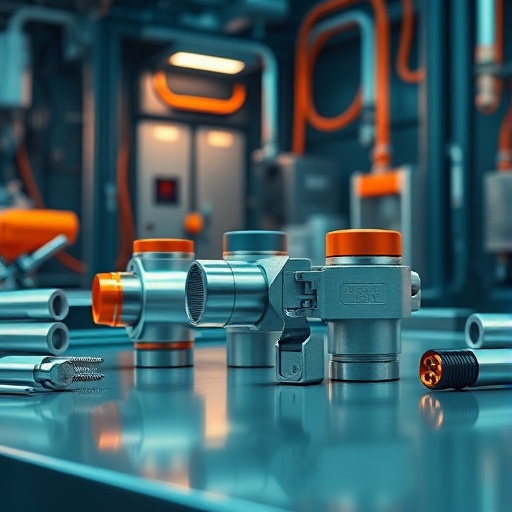
Linear taper geometries on rotary electrical contact surfaces create progressive contact pressure that compensates for wear over time. This shape maintains consistent electrical resistance even after thousands of revolutions. Manufacturers machine the taper into both the ring and brush holders so adapters can align components precisely. The design reduces arcing by ensuring full surface engagement at every point in the rotation. High-speed testing shows linear taper contacts last longer than flat designs under identical loads. Integration with standard rotating electrical connectors requires only matching adapter dimensions, keeping retrofits straightforward.
Integration of Smart Technology in Connectors
Smart rotating electrical connectors embed sensors that monitor temperature, vibration, and current flow in real time. Data travels through the same wiring or via wireless technology to central control systems. Predictive algorithms flag deviations before they cause downtime. Adapters now include pass-through ports for sensor leads without increasing overall length. This integration supports Industry 4.0 initiatives that demand continuous machine health data. Maintenance teams receive alerts on mobile devices when a connector approaches its service limit. The approach turns the connector from a passive component into an active contributor to uptime.
Case Studies of Innovative Rotating Connectors
One automotive test facility replaced slip rings with linear taper rotating electrical connectors and recorded a 40 percent drop in signal noise at 3000 rpm. A packaging plant used wireless adapters on existing machines to eliminate brush maintenance entirely, increasing line speed by 15 percent. Offshore wind operators installed high voltage connectors with smart diagnostics and reduced unscheduled vessel trips by half. Each case demonstrates how targeted adapter choices and design innovations deliver measurable gains in speed, safety, and reliability. These examples guide engineers evaluating upgrades for their own rotating electrical connector applications.