Challenges Facing the Injection Molding Industry in Wisconsin
Current Landscape of the Injection Molding Industry in Wisconsin
Overview of Injection Molding in Wisconsin
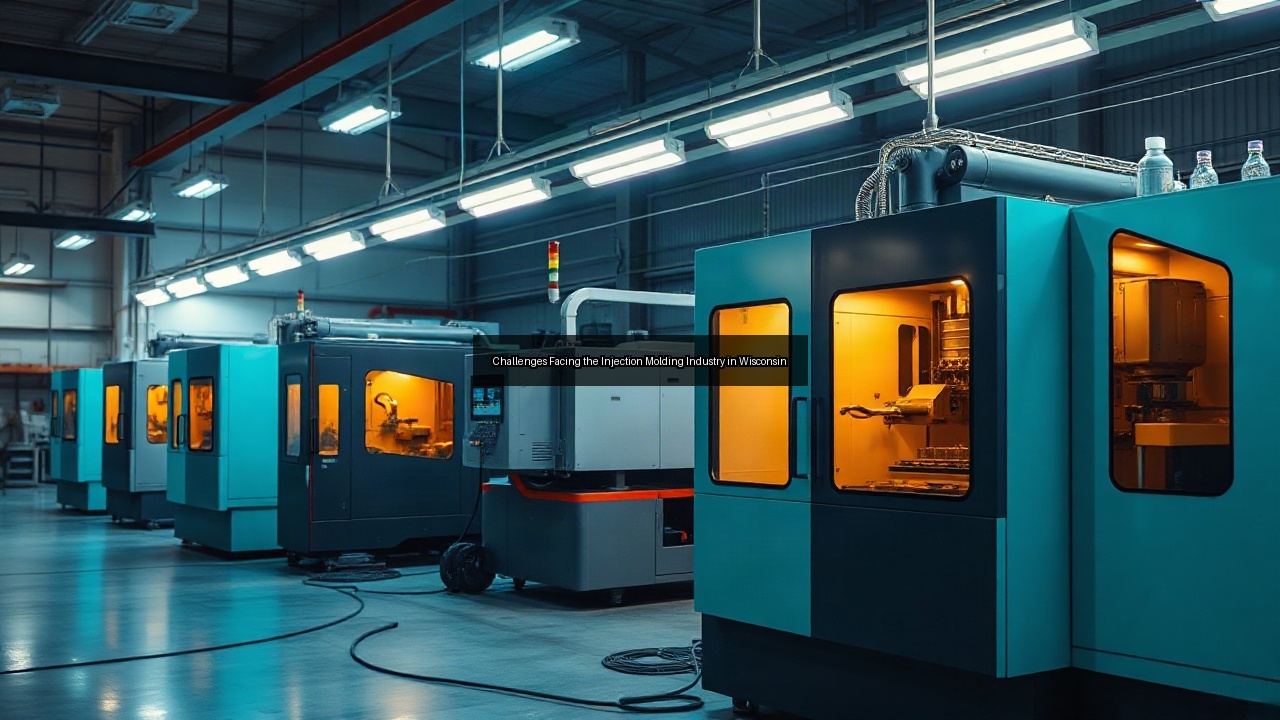
The injection molding industry plays a vital role in Wisconsin’s manufacturing landscape. This process, which involves creating plastic products by injecting molten plastic into molds, has gained significant traction due to its versatility, efficiency, and cost-effectiveness. Wisconsin hosts a diverse range of manufacturers specializing in plastic injection molding, catering to various industries such as automotive, healthcare, consumer goods, and electronics. The state's rich manufacturing heritage, combined with a skilled workforce, positions it as a competitive player in the U.S. injection molding market. Companies leverage advanced technologies to meet the rising demand for high-quality, precision-engineered components, making Wisconsin a hub for injection molded plastics.
Key Players in the Wisconsin Injection Molding Market
Wisconsin boasts a collection of key players in the injection molding landscape, ranging from small custom shops to large-scale manufacturers. Some notable companies include **Plexus Corp**, **Plastics Engineering Company**, and **Husco International**. These manufacturers excel in providing Wisconsin custom plastic injection molding services tailored to client specifications. They utilize advanced injection molds and techniques to produce components with varying complexities. The concentration of these manufacturers in the state fosters healthy competition, driving innovation and efficiency. Additionally, many local injection molding suppliers collaborate closely with their clients, ensuring that product development aligns with market needs, thus enhancing customer satisfaction and loyalty.
Types of Injection Molding Services Offered
The injection molding services in Wisconsin are diverse, accommodating a wide range of applications. Manufacturers provide various types of injection molding, including thermoplastic injection molding, which utilizes thermoplastic materials that can be reheated and reshaped. This flexibility allows for the production of durable, lightweight components like toothbrushes and housing for electronic devices. Additionally, two-shot injection molding has gained popularity for creating multi-material products in a single cycle, enhancing design possibilities and reducing assembly costs. Companies in Wisconsin also offer custom mold making services, ensuring that each injection mold is precisely crafted to meet specific product requirements. This breadth of services positions Wisconsin as a comprehensive hub for injection molding solutions.
Challenges Facing Wisconsin's Injection Molding Manufacturers
Supply Chain Disruptions and Material Shortages
Supply chain disruptions and material shortages pose significant challenges for Wisconsin's injection molding manufacturers. The COVID-19 pandemic highlighted the vulnerabilities within global supply chains, leading to delays and increased costs for raw materials. Many manufacturers faced difficulties sourcing essential plastics and resins, which are critical for producing high-quality injection molded components. This scarcity has forced companies to seek alternative suppliers and materials, often at a higher price. Furthermore, the volatility in the pricing of raw materials complicates budgeting and forecasting for manufacturers, impacting their competitiveness. To mitigate these challenges, many companies are exploring local sourcing options and establishing stronger relationships with suppliers to ensure a more resilient supply chain.
Labor Shortages and Workforce Development
Labor shortages represent another pressing challenge for the injection molding industry in Wisconsin. As technology evolves, manufacturers require a workforce skilled in advanced molding techniques and capable of operating sophisticated machinery. However, many companies struggle to find qualified candidates, as the younger workforce often lacks training in specialized fields like injection molding and mold making. To address this issue, industry leaders and educational institutions are collaborating to develop training programs aimed at equipping the next generation with the necessary skills. Apprenticeships, technical courses, and partnerships with local vocational schools have emerged as effective strategies for workforce development, ensuring a steady pipeline of skilled labor for Wisconsin's injection molding sector.
Technological Advancements and Adoption
The rapid pace of technological advancements in the injection molding industry presents both opportunities and challenges. Manufacturers must stay ahead of trends like automation, Industry 4.0, and smart manufacturing to maintain competitiveness. However, adopting new technologies often requires significant investment and a cultural shift within organizations. Many Wisconsin manufacturers struggle with the initial costs and complexities associated with integrating advanced technologies, such as robotics and data analytics, into their operations. While these technologies promise increased efficiency and reduced waste, the transition can be daunting. To overcome this barrier, companies are exploring partnerships with technology providers and participating in industry workshops to better understand the benefits and implementation of these advancements.
Innovations and Solutions in Plastic Injection Molding
The Role of Two-Shot Injection Molding in Product Development
Two-shot injection molding stands out as a transformative technique in product development, offering manufacturers the ability to create complex parts with multiple materials in a single production cycle. This method enhances design flexibility, allowing for the integration of different plastics to achieve desired properties such as improved grip, aesthetics, and functionality. In Wisconsin, manufacturers are increasingly adopting two-shot injection molding to produce innovative products like ergonomic handles and multi-material assemblies. This capability not only streamlines production but also reduces assembly time and costs, making it an attractive option for companies seeking to optimize their manufacturing processes. As demand for sophisticated products grows, the role of two-shot injection molding will likely expand, positioning Wisconsin manufacturers as leaders in this advanced technology.
Sustainability Practices in Wisconsin's Plastic Fabrication
Sustainability has become a focal point in Wisconsin's injection molding sector as manufacturers seek to minimize their environmental impact. Many companies are adopting sustainable practices, such as using recycled materials and implementing energy-efficient processes. The shift towards eco-friendly resins and biodegradable plastics reflects a commitment to reducing waste and promoting sustainability in plastic fabrication. Wisconsin manufacturers are also exploring closed-loop systems, where scrap materials from the production process are reintroduced into the manufacturing cycle. By prioritizing sustainability, these companies not only comply with regulatory requirements but also attract environmentally conscious clients who value responsible sourcing and manufacturing practices.
Advancements in Resins and Materials
Advancements in resins and materials significantly impact the injection molding industry in Wisconsin. New formulations of plastics, including high-performance thermoplastics and bio-based alternatives, enable manufacturers to produce stronger, lighter, and more durable components. These innovations expand the possibilities for applications across various industries, from automotive to medical devices. For instance, enhanced resins can withstand higher temperatures and provide better chemical resistance, making them ideal for demanding environments. As Wisconsin injection molding suppliers continue to innovate in materials science, they position themselves at the forefront of industry trends, meeting the evolving needs of their clients while maintaining high standards of quality and performance.
Future Outlook for Injection Molding in Wisconsin
Emerging Trends in the Injection Molding Sector
The injection molding sector in Wisconsin is poised for growth, driven by emerging trends that promise to reshape the industry. The increasing demand for lightweight and high-performance materials is pushing manufacturers to innovate continuously. Additionally, the rise of automation and smart manufacturing technologies will streamline operations and enhance efficiency. As companies adopt advanced robotics and AI-driven analytics, they will improve production speed and quality while reducing costs. Furthermore, the focus on sustainability will continue to influence product development and material selection, encouraging manufacturers to explore eco-friendly alternatives. These trends indicate a dynamic future for Wisconsin’s injection molding industry, with opportunities for growth and enhanced competitiveness.
The Impact of Contract Manufacturing on Local Businesses
Contract manufacturing has gained traction in Wisconsin, providing local businesses with flexible production solutions. By outsourcing their injection molding needs, companies can focus on core competencies while leveraging the expertise and capabilities of specialized manufacturers. This arrangement allows for reduced overhead costs and improved scalability, enabling businesses to respond quickly to market demands. Local injection molding manufacturers benefit from increased orders and diverse projects, promoting economic growth within the state. This symbiotic relationship enhances the overall manufacturing ecosystem in Wisconsin, creating a win-win situation for both contract manufacturers and businesses seeking efficient production solutions.
Opportunities for Growth in Custom Plastic Injection Molding
Custom plastic injection molding presents significant opportunities for growth in Wisconsin's manufacturing sector. As industries increasingly seek tailored solutions to meet specific product requirements, the demand for custom injection molded components continues to rise. Wisconsin manufacturers are well-positioned to capitalize on this trend by offering personalized services that cater to unique client needs. With advances in technology and materials, companies can now produce intricate designs and complex shapes that were once challenging to achieve. As market competition intensifies, investing in custom plastic injection molding services will allow Wisconsin manufacturers to differentiate themselves and capture a larger share of the market, ensuring long-term success in the industry.