Innovations in Girth Welding Technology for Enhanced Performance
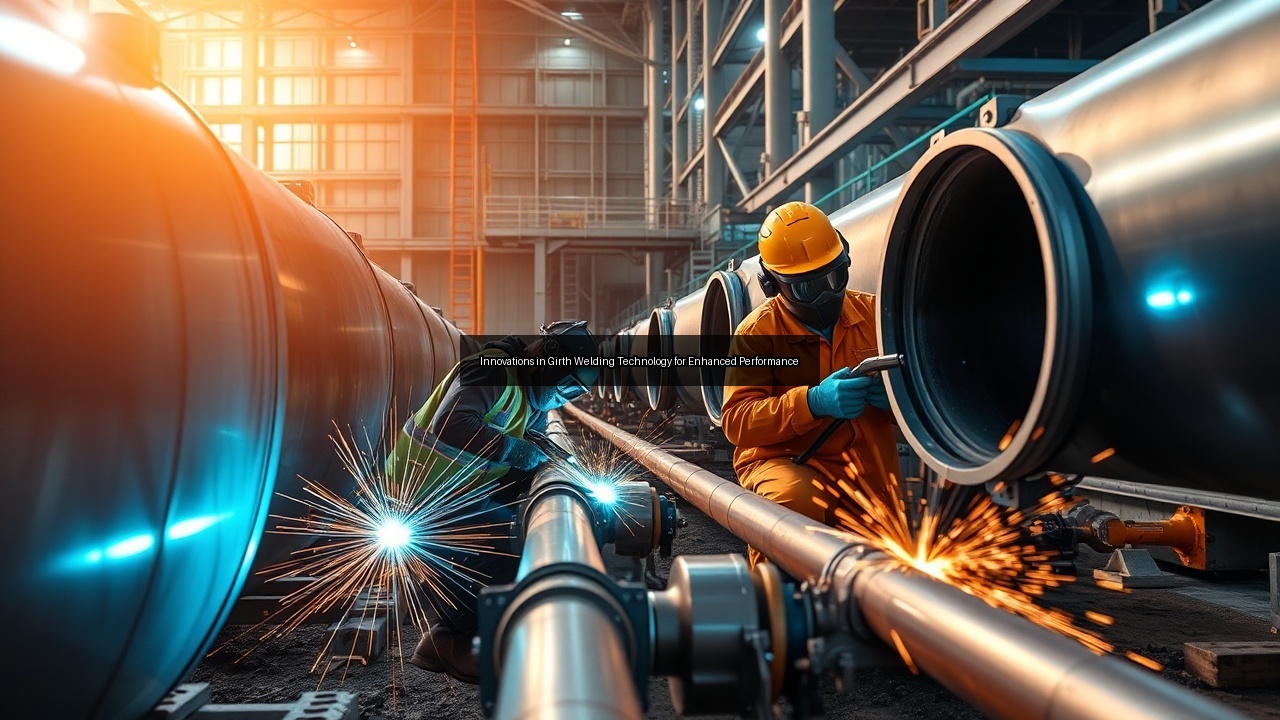
Advancements in Pipeline Girth Welding Techniques
Overview of Girth Welding Methods
Pipeline girth welding plays a critical role in the construction and integrity of pipelines. Various methods exist, each with unique advantages and challenges. Traditional techniques, such as manual arc welding and gas tungsten arc welding, have dominated the industry for years. However, advancements in technology have led to the emergence of more sophisticated methods. Modern girth welding emphasizes efficiency, strength, and the ability to withstand harsh environmental conditions. Innovations in automation and robotics have also streamlined processes, allowing skilled welders to produce high-quality welds while minimizing human error. These methods ensure that girth weld joints remain robust under pressure, enhancing the overall durability of the pipeline.
Friction Stir Welding: A Game Changer
Friction stir welding (FSW) has revolutionized the pipeline girth welding landscape. This solid-state welding technique utilizes a rotating tool to generate heat through friction, enabling the joining of materials without reaching their melting point. This results in welds that boast superior strength and integrity compared to traditional methods. FSW excels in joining aluminum and other materials, offering excellent weldability and reduced susceptibility to defects such as cracks and porosity. The controlled temperature during the welding process minimizes thermal distortion, making it ideal for critical applications in pipeline construction. As industries seek efficient and reliable solutions, friction stir welding stands out as a promising alternative for enhancing pipeline girth weld performance.
Temperature Control in Girth Welding Processes
Effective temperature control in girth welding processes significantly influences weld quality and mechanical properties. Maintaining an optimal temperature range during welding ensures proper fusion of the materials, reducing the risk of defects. Advanced monitoring systems aid welders in achieving precise temperature settings, improving the consistency of welds. These systems can track real-time data, allowing for adjustments that enhance the overall performance of the weld. Moreover, temperature control plays a vital role in minimizing residual stresses, which can lead to corrosion and premature failure. By integrating sophisticated temperature management techniques, the industry can achieve high-quality girth welds that meet stringent safety and performance standards.
Enhancing Weld Quality and Strength
Importance of Weld Inspection for Integrity
Weld inspection is crucial for ensuring the integrity of girth welds in pipelines. A thorough inspection process identifies potential defects that could compromise the strength and safety of the pipeline. Employing both visual inspection and advanced techniques, such as non-destructive testing (NDT), helps in detecting issues like cracks, porosity, and lack of fusion. Skilled welders and inspectors collaborate to analyze weld quality, ensuring that all joints meet industry standards. Regular inspections not only enhance the reliability of the pipeline but also contribute to the longevity of the structure, safeguarding against failures that could lead to environmental hazards and costly repairs.
Methods of Non-Destructive Testing
Non-destructive testing (NDT) methods have become essential in evaluating the quality of girth welds without damaging the pipeline. Various NDT techniques, including radiographic testing, magnetic particle testing, and dye penetrant testing, offer unique benefits for different applications. Radiographic testing utilizes X-rays or gamma rays to reveal internal defects, while magnetic particle testing detects surface and near-surface flaws in ferromagnetic materials. Dye penetrant testing highlights cracks or imperfections by applying a visible dye. Each method has its niche, allowing inspectors to select the most suitable technique based on the material and specific inspection requirements. These NDT methods ensure that pipelines maintain their structural integrity, ultimately enhancing safety and performance.
Ultrasonic Testing: Ensuring Weld Reliability
Ultrasonic testing (UT) has emerged as a vital tool for ensuring the reliability of girth welds in pipelines. This non-destructive testing method employs high-frequency sound waves to detect internal flaws and assess material thickness. UT provides accurate, real-time data, allowing inspectors to identify potential weaknesses in the weld structure. The precision of ultrasonic testing enables early detection of issues that could lead to catastrophic failures. Additionally, advancements in ultrasonic inspection technology, such as phased array systems, have improved the speed and accuracy of inspections. By integrating ultrasonic testing into the weld inspection process, pipeline operators can enhance the reliability and safety of their girth welds.
Material Considerations in Girth Welding
Weldability of Stainless Steel in Pipeline Construction
Stainless steel's exceptional corrosion resistance and strength make it a popular choice in pipeline construction, especially for applications requiring high durability. Understanding girth weld inspection the weldability of stainless steel is essential to achieving high-quality girth welds. Various factors, including the chemical composition and thickness of the steel, influence the welding process. Proper filler materials and techniques must be employed to prevent issues like sensitization and stress corrosion cracking. Skilled welders must be aware of these challenges and adjust their approach accordingly to ensure robust welds. By focusing on the weldability of stainless steel, the industry can enhance the performance and longevity of pipelines, ensuring they withstand the test of time.
Addressing Corrosion in Girth Welds
Corrosion poses a significant threat to the integrity of girth welds in pipelines. Environmental factors, such as moisture and soil chemistry, can accelerate corrosion processes, leading to structural failures. Implementing corrosion-resistant measures is vital in pipeline construction. Techniques such as applying protective coatings, using corrosion inhibitors, and selecting appropriate materials can mitigate these risks. Regular monitoring and inspection of girth welds also play a crucial role in identifying and addressing corrosion issues early. By prioritizing corrosion prevention, pipeline operators can enhance the lifespan and reliability of their girth welds, ultimately safeguarding the environment and reducing maintenance costs.
The Role of Plastic Materials in Modern Welding
Plastic materials are increasingly being integrated into modern girth welding applications, offering unique advantages. Their lightweight nature and resistance to corrosion make them ideal for specific pipeline scenarios. Innovations in welding techniques enable the joining of plastic components with metal, expanding the scope of pipeline construction. This hybrid approach enhances flexibility and reduces overall weight, which is particularly beneficial in challenging environments. However, welders must be trained to understand the unique properties of plastic materials to ensure successful welds. By embracing plastic materials, the pipeline industry can leverage new technologies to enhance performance and adapt to evolving demands.
The Future of Girth Welding Technology
Emerging Trends in Girth Weld Procedures
The future of girth welding technology lies in the continuous evolution of procedures and techniques. Emerging trends focus on automation, robotics, and artificial intelligence to enhance welding efficiency and quality. Automated welding systems reduce human error and improve precision, leading to stronger and more reliable welds. Additionally, the integration of data analytics and machine learning allows for real-time monitoring of welding processes, enabling welders to make informed decisions on the fly. These advancements not only streamline operations but also enhance safety and reduce costs in pipeline construction. As the industry embraces these innovations, the quality of girth welds will reach new heights.
The Role of Innovative Inspections in Pipeline Safety
Innovative inspection technologies play a pivotal role in ensuring the safety of pipelines. As girth welds undergo rigorous testing, advancements in inspection tools provide greater accuracy and efficiency. Techniques such as robotic inspections and drone technology offer enhanced access to difficult-to-reach areas of pipelines, allowing for thorough evaluations of girth welds. These innovations reduce the time and labor associated with traditional inspection methods while improving the overall reliability of welds. By adopting cutting-edge inspection technologies, pipeline operators can proactively address potential issues, ensuring the long-term safety and performance of their infrastructure.
Literature Review on Girth Welding Innovations
A comprehensive literature review on girth welding innovations reveals the dynamic nature of the field. Researchers and industry professionals continuously explore new materials, methods, and technologies to enhance welding performance. Studies emphasize the importance of understanding the mechanical properties of different materials, particularly in challenging environments. Emerging research also highlights the integration of advanced machine learning algorithms in predicting weld outcomes and optimizing welding parameters. As the body of knowledge surrounding girth welding expands, operators can leverage these insights to adopt best practices and improve the quality of their welds. The ongoing pursuit of innovation will undoubtedly shape the future landscape of pipeline girth welding.