Mastering Your Diesel Fuel Tank Gauge for Optimal Performance
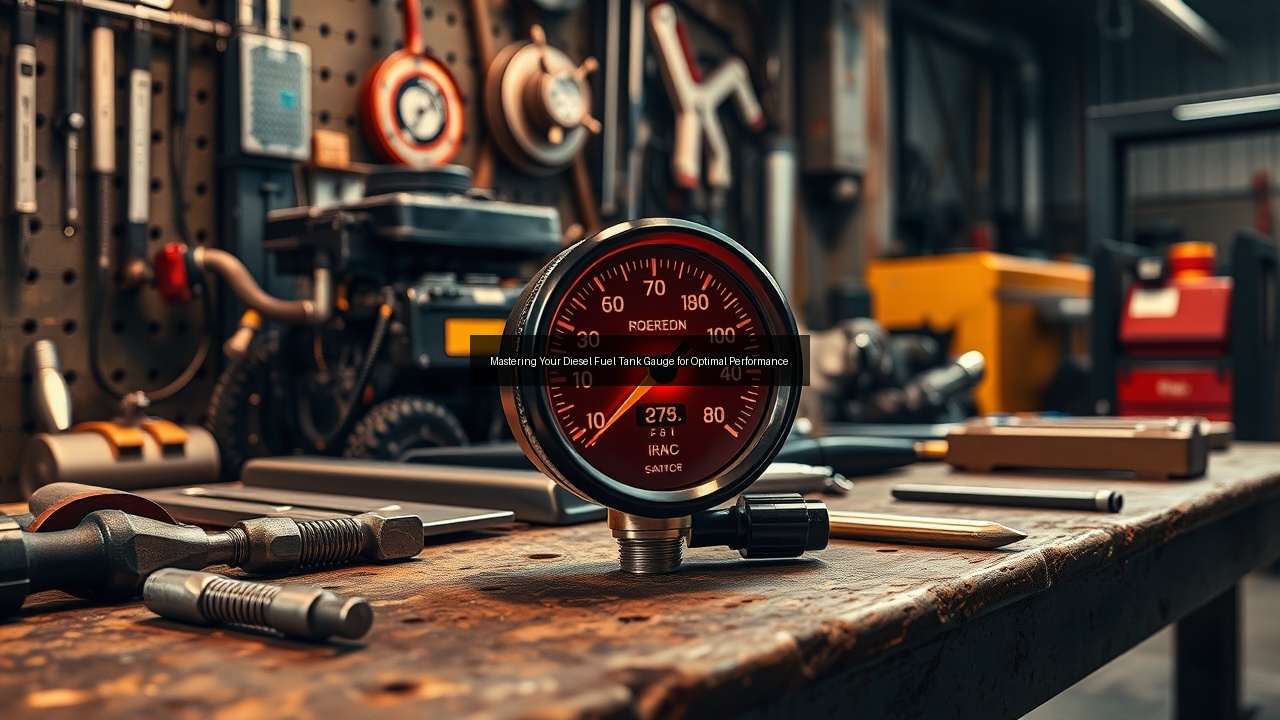
Understanding Diesel Fuel Tank Gauges
What is a Diesel Fuel Tank Gauge?
A diesel fuel tank gauge is a crucial device for anyone relying on diesel fuel, particularly in sectors like transportation, agriculture, and construction. This gauge measures the amount of diesel remaining in the tank, providing vital information that helps manage fuel consumption effectively. For operators of diesel engines, such as those found in trucks or generators, understanding the readings from these gauges can prevent engine failures caused by running out of fuel. The gauge typically displays information in either a digital or analog format, allowing users to quickly assess fuel levels and plan refueling schedules accordingly.
Types of Diesel Fuel Tank Gauges
Diesel fuel tank gauges come in several types, each designed to meet specific needs. The most common types include mechanical gauges, which use a float system and provide a visual indication of fuel levels, and electronic gauges, which utilize sensors to deliver precise readings. Electronic gauges often connect to vehicle systems, providing real-time data on fuel consumption, which helps in optimizing engine performance. Additionally, some advanced models integrate with external monitoring systems, allowing operators to track fuel levels remotely. Understanding these variations helps in selecting the right gauge for both personal and commercial use, ensuring efficiency and reliability.
How Diesel Fuel Gauges Work
Diesel fuel gauges operate based on principles of buoyancy and sensors. Mechanical gauges employ a float that rises and falls with the diesel fuel level, moving a needle on a dial to indicate the remaining fuel. In contrast, electronic gauges use a combination of float sensors and electronic circuits to provide digital readings. These systems often feature additional functionalities such as alarms for low fuel levels. Some advanced gauges even utilize data analytics to predict fuel usage trends, which can inform maintenance schedules and refueling strategies. Understanding how these gauges function allows operators to leverage them effectively for optimal performance.
Maintaining Your Diesel Fuel Tank Gauge for Optimal Performance
Routine Calibration and Monitoring
Regular calibration and monitoring of your diesel fuel tank gauge are essential for maintaining accuracy and reliability. Calibration involves adjusting the gauge to ensure it reads correctly, which can be done using specific calibration tools. Depending on usage, operators should check the calibration at least once a year or whenever discrepancies arise. Monitoring fuel levels should be part of routine checks, allowing operators to track fuel usage patterns and identify any sudden drops that may indicate leaks or other issues. This proactive approach not only enhances the gauge's performance but also helps avoid unexpected downtime due to fuel shortages.
Tools for Diesel Fuel Gauge Maintenance
Several tools are available to assist in the maintenance of diesel fuel tank gauges. Calibration kits, which include various measuring devices and software, help ensure that the gauge provides accurate readings. Additionally, fuel tank monitoring systems can track usage patterns and alert operators to potential issues. These systems often come equipped with sensors that monitor temperature and pressure, providing a comprehensive overview of fuel tank conditions. Regular maintenance using these tools minimizes the risk of gauge failure and enhances overall diesel engine efficiency, ensuring that engines and generators operate seamlessly.
Common Issues and Troubleshooting
Despite their reliability, diesel fuel tank gauges can encounter issues that affect their performance. Common problems include inaccurate readings, which may arise due to sensor malfunctions or calibration errors. Other issues can stem from physical obstructions in the tank or faulty electrical connections. When troubleshooting, operators should first inspect the gauge and its connections, followed by checking the fuel level physically to verify the gauge's accuracy. If problems persist, consulting the manufacturer or a professional technician may be necessary. Addressing these issues promptly ensures that the diesel engine or generator operates efficiently without interruptions.
Maximizing Efficiency with Your Diesel Fuel Tank Gauge
Fuel Management Strategies for Diesel Engines
Effective fuel management strategies can significantly enhance the performance of diesel engines. By utilizing the readings from your diesel fuel tank gauge, you can implement strategies that minimize fuel waste and optimize engine efficiency. Keeping detailed records of fuel consumption allows operators to identify patterns and adjust usage accordingly. For instance, scheduling regular maintenance based on fuel usage data can prevent engine wear and tear. Additionally, integrating fuel management systems that link to your gauge can automate monitoring, alerting you to low levels and enabling timely refueling. Such strategies not only improve performance but also reduce overall fuel costs.
Impact on Generator Performance
Diesel fuel tank gauges play a pivotal role in the performance of generators. Accurate readings ensure that generators operate within their optimal fuel range, preventing issues such as stalling due to low fuel levels. For businesses that rely on generators for power, maintaining a consistent fuel supply is crucial. Implementing a proactive refueling strategy based on gauge readings can prevent costly downtime. Furthermore, understanding the relationship between fuel quality and gauge performance is vital. Contaminated or substandard diesel fuel can lead to gauge malfunction and decreased generator efficiency. Regularly monitoring both fuel quality and levels can enhance generator reliability and performance.
Compliance with EPA Regulations
Adhering to Environmental Protection Agency (EPA) regulations is essential for businesses utilizing diesel fuel tanks. Accurate monitoring of diesel fuel consumption through reliable gauges helps ensure compliance with regulations regarding emissions and fuel usage. Operators must maintain records of fuel usage and implement best practices for storing and handling diesel fuel. Failure to comply can result in penalties and operational setbacks. Regular audits and inspections of fuel tanks, along with accurate gauge readings, support compliance efforts and promote sustainable practices. By prioritizing compliance, businesses contribute to environmental protection while maintaining operational efficiency.
The Future of Diesel Fuel Tank Gauges
Innovations in Diesel Fuel Monitoring Technology
The future of diesel fuel tank gauges looks bright with ongoing innovations in monitoring technology. Companies are developing advanced gauges that leverage IoT (Internet of Things) capabilities, enabling real-time data collection and analysis. These innovations facilitate remote monitoring, allowing operators to track fuel levels from anywhere. Additionally, enhanced sensors provide more accurate readings, reducing the risk of discrepancies. As technology evolves, operators can expect more sophisticated features, such as predictive analytics, which help forecast fuel needs based on historical data. Embracing these innovations will enable users to optimize fuel management, ultimately improving diesel engine performance.
The Role of Data in Fuel Management
Data plays an increasingly important role in the management of diesel fuel tanks. By analyzing data collected from fuel tank gauges, operators can gain insights into usage patterns, helping them make informed decisions. Predictive analytics can identify trends in fuel consumption, allowing for proactive maintenance and refueling strategies. Integrating these data insights with other operational metrics enhances overall efficiency. Businesses that harness the power of data can improve their fuel management practices, leading to cost savings and reduced environmental impact. As reliance on data-driven decision-making grows, the role of diesel fuel tank gauges will continue to evolve.
Environmental Considerations and Fuel Oil Usage
Environmental concerns increasingly influence how diesel fuel is monitored and managed. The diesel industry faces pressure to reduce emissions and enhance sustainability. Accurate monitoring through diesel fuel tank gauges is essential for minimizing waste and adhering to environmental standards. Operators must ensure that fuel oil usage aligns with EPA regulations, which promote cleaner burning practices. Innovations in fuel management technologies not only help track fuel levels but also contribute to reducing the carbon footprint associated with diesel engines. By prioritizing environmental considerations, businesses can achieve compliance while promoting sustainable practices in their operations.
See Also
- Innovative Technologies Transforming Diesel Fuel Tank Monitoring
- Calibrating Your Diesel Tank Gauge for Peak Engine Performance
- The Role of Diesel Fuel Gauges in Farm Equipment Efficiency
- Maintaining Compliance with EPA Standards for Diesel Fuel Gauges
- Common Issues with Diesel Fuel Gauges and How to Fix Them