The Impact of Vibration Reduction on Generator Efficiency and Reliability
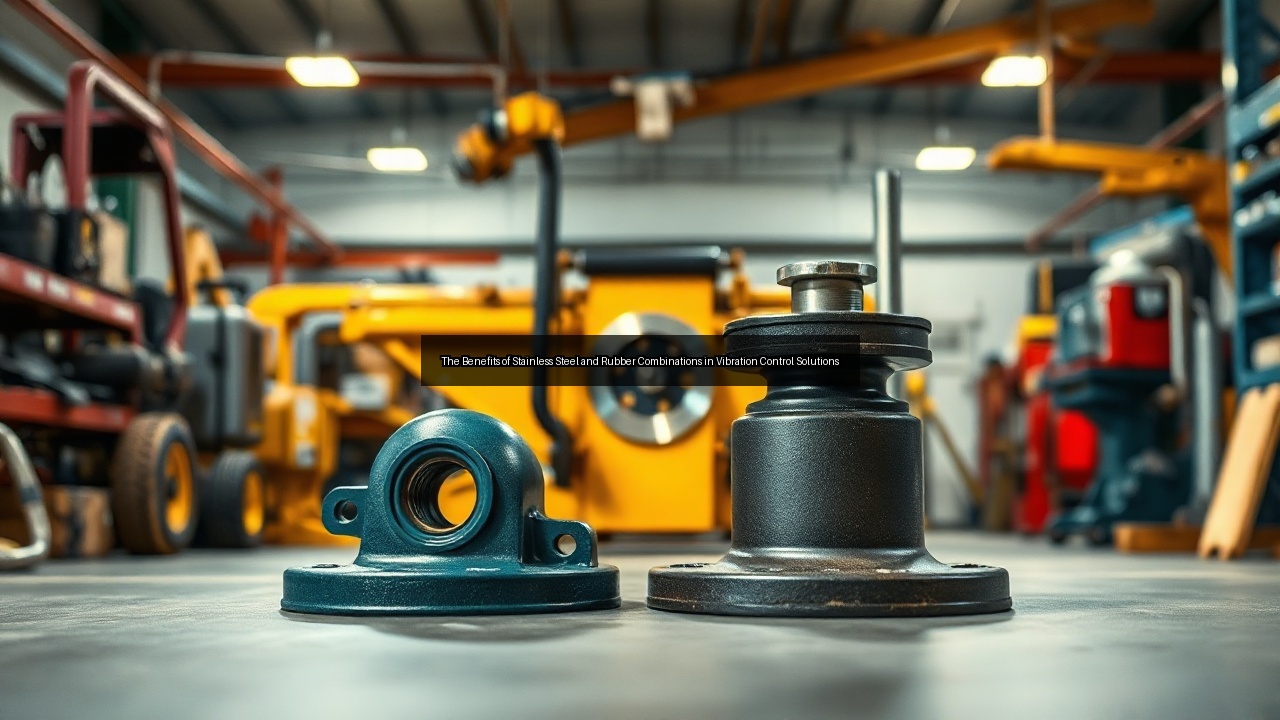
Understanding Vibration and Its Effects on Machinery
The Science of Vibration
Vibration arises from oscillating forces that transfer energy through solid structures and components. These movements occur at specific frequencies that align with the natural resonance of materials, amplifying stress on connected parts. Engineers measure vibration in terms of amplitude, frequency, and acceleration to predict how it affects performance. In rotating equipment, imbalance or misalignment creates periodic forces that travel through frames and bases. Understanding these patterns allows precise selection of anti vibration rubber mounts to interrupt energy paths before damage accumulates. Proper analysis prevents premature wear and maintains operational stability across extended run times.
Common Sources of Vibration in Generators
Generators produce vibration through engine combustion cycles, rotating imbalances in rotors, and electromagnetic forces in windings. Fuel combustion creates rapid pressure changes that transmit pulses into the engine block. Loose couplings or worn bearings add irregular oscillations that compound over time. External factors like uneven mounting surfaces further excite the system. Anti vibration rubber mounts absorb these inputs by converting kinetic energy into heat within the elastomer matrix. Identifying each source through sensor data lets technicians target isolation points effectively, reducing overall stress on generator frames and attached systems.
Impact of Vibration on Generator Efficiency
Excessive vibration lowers generator efficiency by increasing friction losses and accelerating component fatigue. Misaligned shafts consume extra fuel to maintain output while accelerating bearing wear. Vibrations also loosen electrical connections, raising resistance and heat buildup that reduces power quality. Consistent vibration control through anti vibration rubber mounts preserves alignment and minimizes these losses. Operators report measurable fuel savings and extended service intervals when isolation systems match the generator’s operating frequency range. Reliable efficiency translates directly into lower maintenance costs and higher uptime for continuous power applications.
The Role of Anti Vibration Rubber Mounts
Types of Anti Vibration Rubber Mounts
Anti vibration rubber mounts come in cylindrical, conical, and plate styles that suit different load directions and space constraints. Cylindrical versions handle compression loads well in engine cradles. Cone designs provide lateral stability for marine engines while allowing some axial movement. Plate-style anti vibration mounts distribute weight across larger surfaces for transformers and compressors. Each type incorporates threaded inserts or bonded metal plates for secure attachment. Selecting the correct geometry ensures the mount deflects properly under the generator’s weight and dynamic forces without bottoming out during operation.
Material Considerations: Natural Rubber vs. Neoprene
Natural rubber offers excellent elasticity and damping characteristics for indoor generator sets where temperature remains moderate. It bonds readily to metal and resists fatigue under repeated flexing. Neoprene rubber withstands oil exposure and wider temperature swings, making it suitable for outdoor or marine environments. Both materials appear in anti vibration rubber mounts, yet their stiffness values differ across durometer ratings. Engineers match material choice to the expected chemical exposure and operating temperature to maintain consistent vibration isolation performance over years of service.
How Rubber Mounts Enhance Vibration Isolation
Rubber mounts enhance vibration isolation by creating a low-stiffness path that decouples the generator from its foundation. The elastomer compresses and shears under load, shifting the system’s natural frequency away from the forcing frequency produced by the engine. This mismatch prevents resonance amplification. Anti vibration rubber mounts also absorb high-frequency noise that would otherwise radiate through structural members. Proper durometer selection and load distribution allow the mounts to achieve 70-90 percent isolation efficiency across typical generator speed ranges, protecting nearby equipment from transmitted disturbances.
Applications of Vibration Control in Various Industries
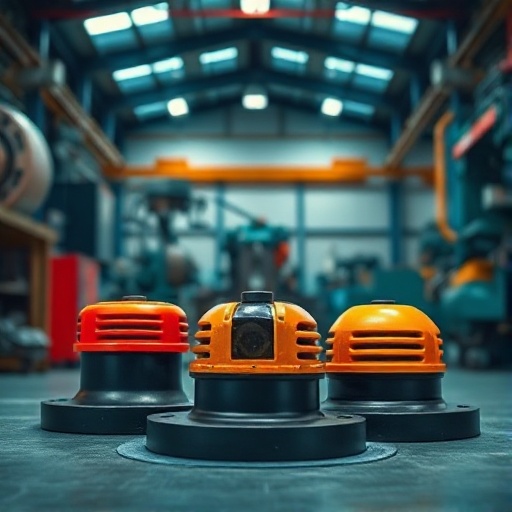
Marine Applications: Protecting Sensitive Equipment
Marine vessels rely on generators that must operate near navigation electronics and passenger areas. Engine vibration travels through hull structures and disturbs instruments or creates audible noise. Anti vibration rubber mounts isolate these generators from bulkheads and decks, limiting structure-borne energy. Stainless steel hardware resists corrosion in saltwater environments while neoprene rubber maintains flexibility. Effective isolation improves crew comfort and safeguards radar and communication systems that demand stable mounting surfaces. Shipbuilders routinely specify tuned mounts to meet strict vibration limits set by classification societies.
HVAC Systems: Reducing Noise and Vibration
HVAC systems place compressors and fans on rooftops or mechanical floors where vibration transmits into occupied spaces. Anti vibration rubber mounts placed under condensing units and air handlers break the path to building frames. This approach lowers noise levels in offices and residences while protecting ductwork from fatigue cracks. Pipe hanger assemblies with rubber inserts further isolate fluid lines. When combined with vibration damping pads beneath equipment bases, the system achieves measurable reductions in both airborne noise and structure-borne vibration that occupants notice immediately.
Construction and Manufacturing: Enhancing Machinery Reliability
Construction sites and manufacturing plants operate heavy generators alongside precision machinery. Uncontrolled vibration shortens tool life and affects product tolerances. Anti vibration rubber mounts support portable generators and stationary engines, keeping them stable on uneven slabs. In manufacturing cells, the same mounts protect nearby CNC equipment from transmitted energy that could cause chatter marks on finished parts. Maintenance teams track vibration spectra before and after mount installation to confirm reductions that extend overall equipment effectiveness and reduce unplanned downtime across production lines.
Key Factors in Vibration Reduction
Understanding Stiffness and Frequency Response
Stiffness determines how much an anti vibration rubber mount deflects under load and directly influences the isolated system’s natural frequency. Lower stiffness shifts resonance below the operating speed, improving isolation. Engineers calculate required stiffness by dividing the supported weight by the desired deflection and then verify the result against the generator’s forcing frequency. Frequency response curves help predict isolation efficiency at each RPM. Proper matching prevents amplification zones where mounts would increase rather than reduce transmitted vibration to the foundation.
Designing Effective Vibration Isolation Systems
Effective vibration isolation systems combine multiple anti vibration rubber mounts with calculated spacing and orientation. Designers account for center of gravity location to avoid rocking modes. They also incorporate snubbers or limit stops that protect mounts during transport or seismic events. Wire rope dampers sometimes supplement rubber elements for high-temperature zones. The complete design undergoes modal analysis to confirm that all rigid-body modes fall safely below operating frequencies, delivering reliable performance from startup through full load.
The Role of Vibration Dampers and Isolators
Vibration dampers and isolators work together to manage both steady-state and transient forces. Rubber isolators handle primary low-frequency isolation while viscous or frictional dampers dissipate energy at higher frequencies. Bumper stops prevent excessive travel during sudden load changes common in generator applications. Selection involves matching damping ratios to the generator’s duty cycle so that resonance peaks remain controlled. When properly integrated, these components extend the service life of anti vibration rubber mounts and maintain consistent vibration reduction across varying load conditions.
Future Trends in Vibration Reduction Techniques
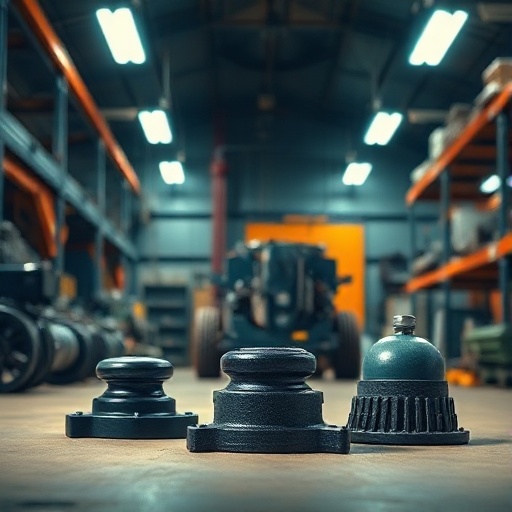
Innovations in Elastomeric Mounts
Recent innovations in elastomeric mounts introduce hybrid constructions that combine natural rubber cores with neoprene outer layers for improved environmental resistance. Some designs embed sensors that monitor deflection and temperature in real time, allowing predictive maintenance of anti vibration rubber mounts. Variable-stiffness concepts using internal chambers adjust isolation characteristics as generator speed changes. These advances reduce the need for multiple mount sets across different operating regimes and improve overall reliability in demanding generator installations.
Advancements in Material Science for Vibration Control
Material science now produces elastomers with tailored damping peaks that target specific frequency bands common in generator sets. Nano-fillers increase tear strength without raising stiffness, extending mount life under continuous flexing. Recyclable compounds address disposal concerns while preserving performance characteristics of traditional anti vibration rubber mounts. Laboratory testing shows these materials maintain isolation efficiency after accelerated aging equivalent to ten years of field exposure, giving operators longer intervals between replacements.
Sustainable Practices in Manufacturing Anti Vibration Solutions
Manufacturers adopt sustainable practices by sourcing bio-based rubber alternatives and reducing solvent use in bonding processes. Closed-loop water systems and energy-efficient curing ovens lower the carbon footprint of producing anti vibration rubber mounts. Some suppliers offer take-back programs that reclaim worn mounts for material recovery. These practices align with customer demands for environmentally responsible components without compromising the vibration isolation performance required for generators, HVAC systems, and marine engines.
See Also
- Revolutionizing Machinery Performance with Anti Vibration Rubber Mounts
- The Connection Between Engine Performance and Rubber Vibration Isolators
- Choosing the Right Diameter for Your Anti Vibration Rubber Mounts
- Innovations in Vibration Control for Compressors and Industrial Machinery
- Why Neoprene Rubber Is the Go-To Choice for Vibration Damping